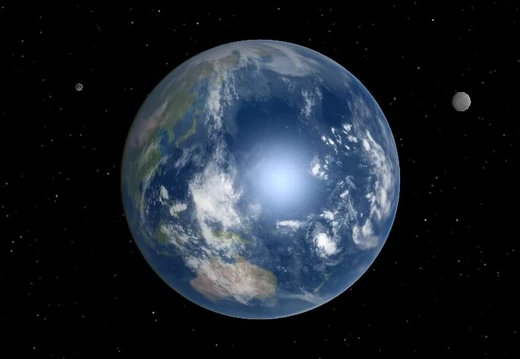
Hypothetical astronomical object
Unconfirmed celestial bodies proposed throughout history.

Wikipedia / Wikimedia Commons
Hypothetical astronomical objects are celestial bodies whose existence has been proposed but not confirmed. Throughout recorded history, various unknown astronomical objects have been hypothesized, such as the 'Central Fire' defined by the philosopher Philolaus in the 5th century BCE, around which he proposed other celestial bodies, including the Sun, moved.
- type
- Concept
- earliest_example
- 5th century BCE (Philolaus's Central Fire)
- scope
- Inside and outside the Solar System
- categories
- Stars, planets, moons, brown dwarfs, black holes
- related_lists
- List of hypothetical Solar System objects, Hypothetical star, List of brown dwarfs, Hypothetical black hole, Extrasolar moon
Lore & Background
Hypothetical astronomical objects have been speculated to exist both inside and outside of the Solar System, encompassing different kinds of stars, planets, and other astronomical objects. The earliest recorded example from the source is the 5th century BCE philosopher Philolaus, who defined a hypothetical object called the 'Central Fire', around which he proposed other celestial bodies, including the Sun, moved.
Reader's Guide
The concept of hypothetical astronomical objects reflects humanity's ongoing effort to understand the cosmos through speculation and theory. These objects range from planets and moons to stars, brown dwarfs, and black holes, with some proposed within the Solar System and others beyond. The source notes that for hypothetical Solar System objects, one may consult the List of hypothetical Solar System objects; for hypothetical stars, the Hypothetical star page; for hypothetical brown dwarfs, the List of brown dwarfs; for hypothetical black holes, the Hypothetical black hole page; and for extrasolar moons (all currently hypothetical), the Extrasolar moon page. Additionally, stars, planets, or moons whose existence is not accepted by science are covered under Planetary objects proposed in religion, astrology, ufology and pseudoscience and Stars proposed in religion, while fictional planets of the Solar System are listed separately. Hypothetical types of extrasolar planets also exist. The significance lies in how these unconfirmed objects drive scientific inquiry and cultural imagination, though the source does not resolve disputes about their reality.
Did You Know?
- Various unknown astronomical objects have been hypothesized throughout recorded history.
- In the 5th century BCE, philosopher Philolaus defined a hypothetical object called the 'Central Fire'.
- Philolaus proposed that other celestial bodies, including the Sun, moved around the Central Fire.
- Hypothetical astronomical objects have been speculated to exist both inside and outside of the Solar System.
The Long Chase for Missing Planets
The history of Solar System astronomy is littered with phantom worlds that never were. From Vulcan, a planet once thought to lurk inside Mercury's orbit to explain its orbital wobbles, to Planet X, a distant body invoked to account for perturbations in Uranus and Neptune's paths, scientists have repeatedly reached for an unseen mass to fill gaps in their models. Many of these candidates were eventually eliminated. Vulcan's mystery was resolved not by finding the planet but by Einstein's General Theory of Relativity, which explained Mercury's precession without any additional body. Planet X faded from favor once more precise measurements of Neptune's mass accounted for all the observed deviations. Even so, the tradition of proposing hypothetical planets persists, with figures like William Henry Pickering suggesting as many as seven additional worlds—labeled O through U—while Thomas Jefferson Jackson See proposed three planets at 42, 56, and 72 AU. The pattern reveals a fundamental tension: the Solar System's architecture keeps tempting astronomers to imagine what might be hiding in plain sight.
Speculative Worlds Beyond Neptune
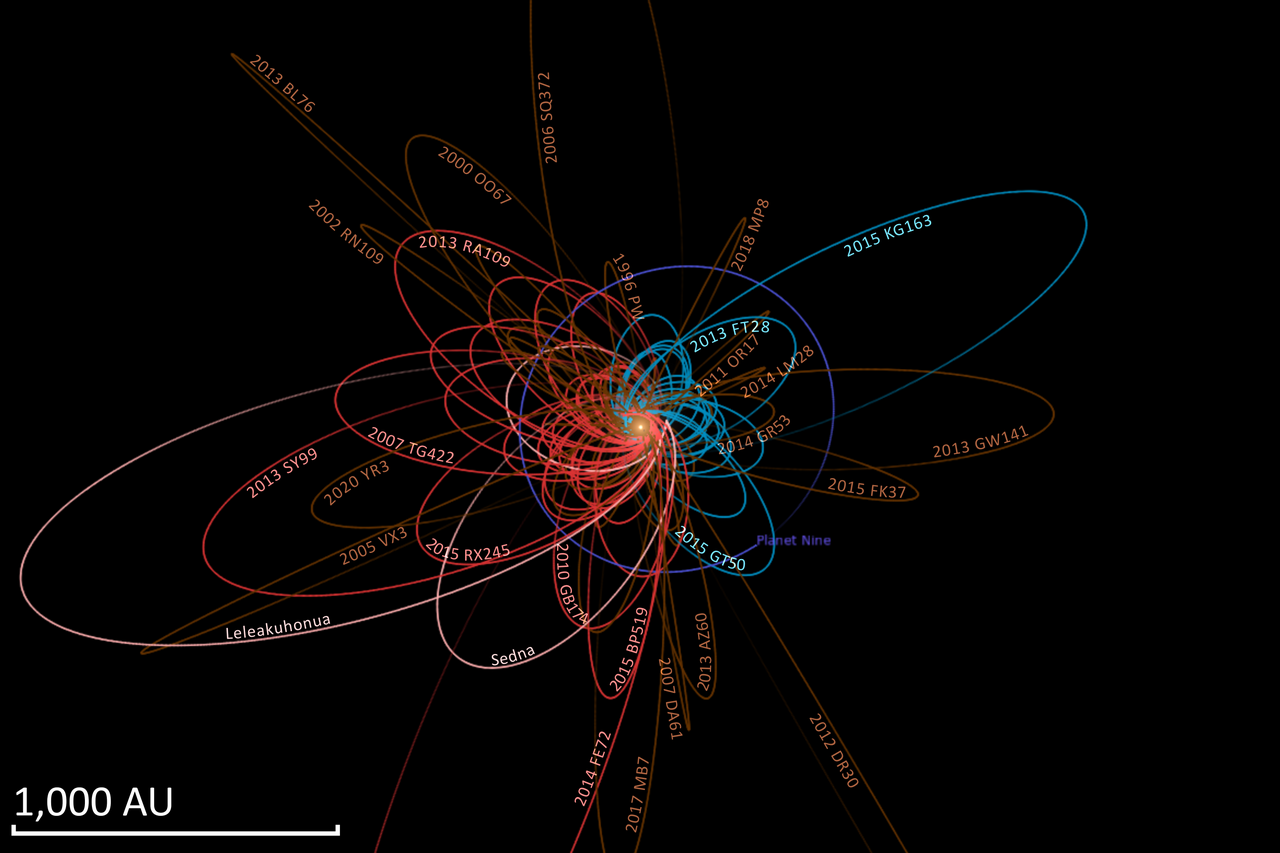
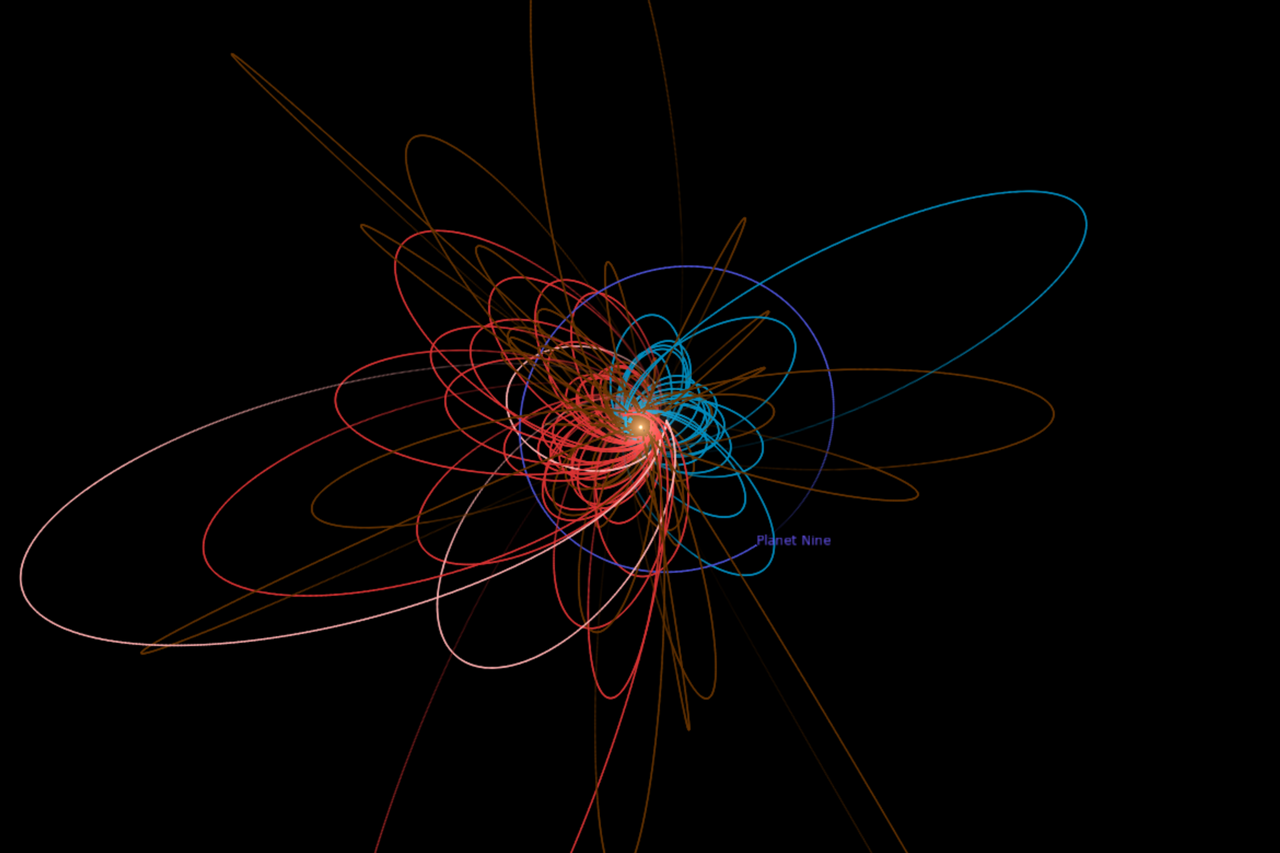
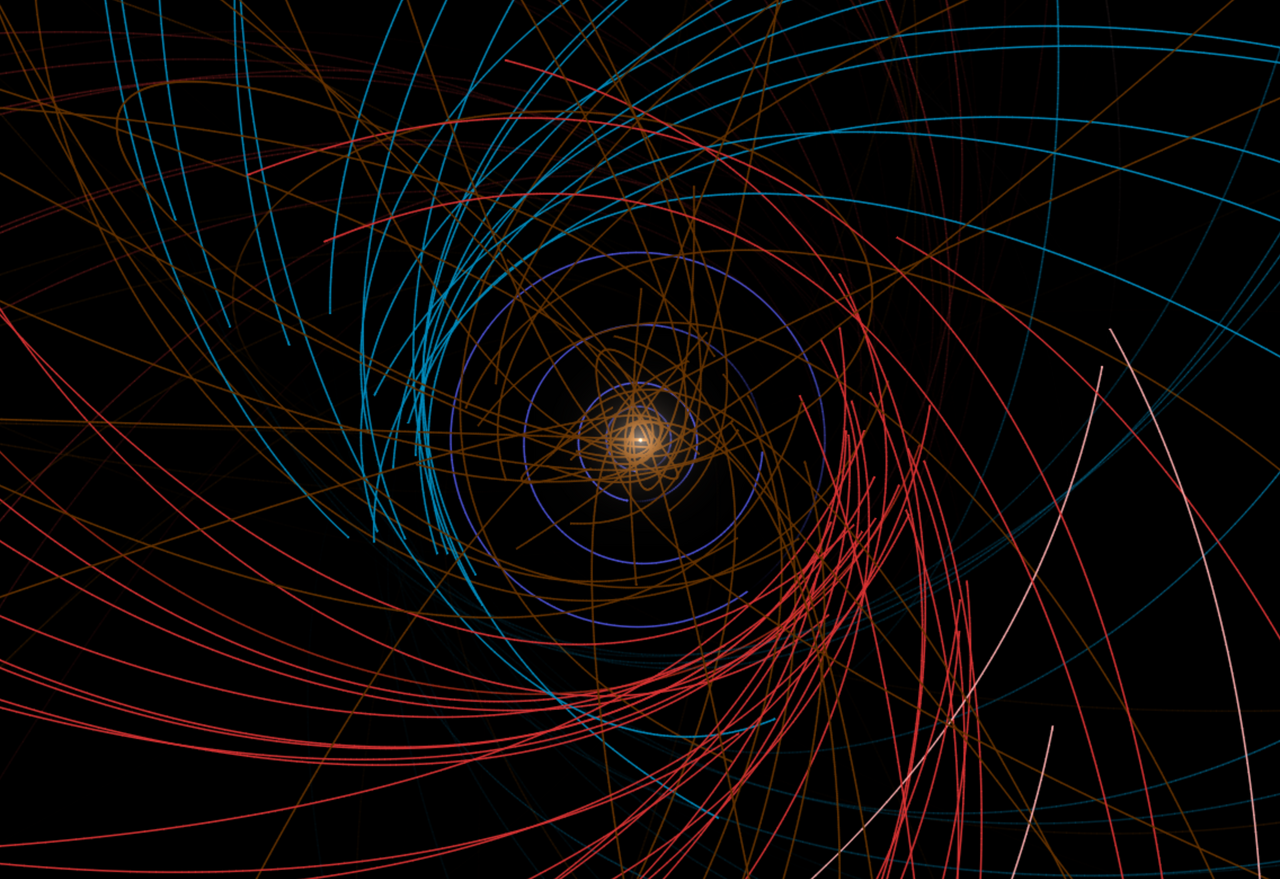
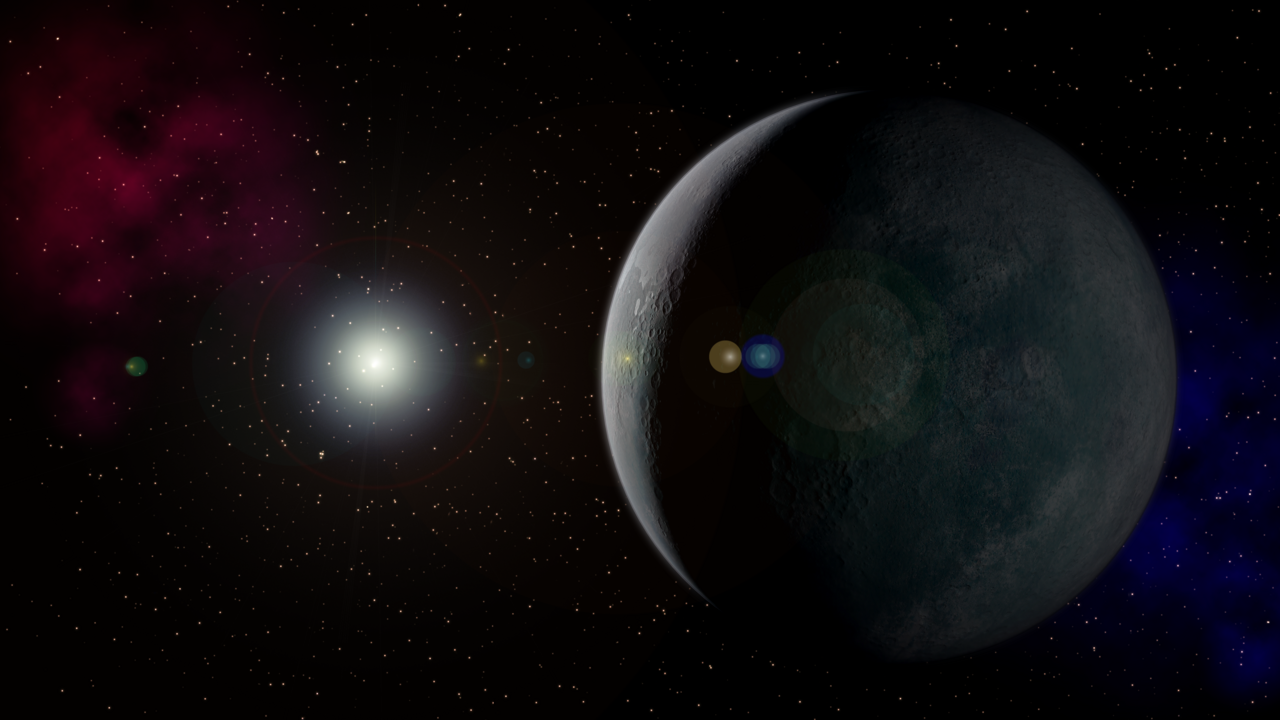
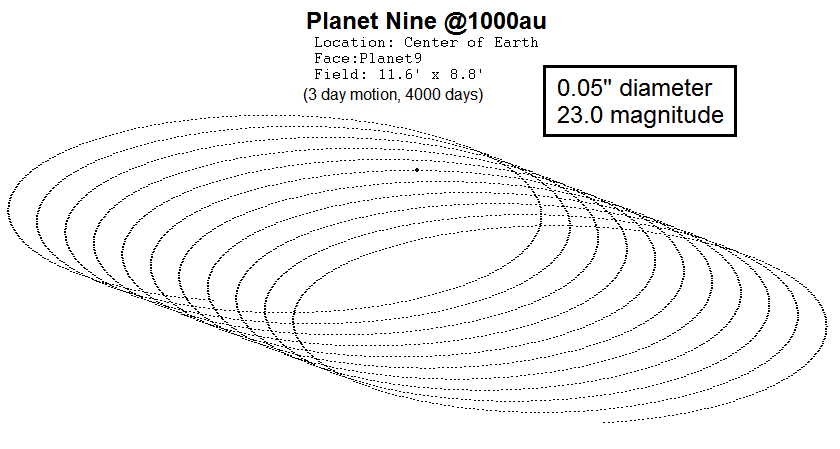
The region beyond Neptune has become a fertile ground for hypothetical planet proposals. Planet Nine, suggested to explain the clustered orbital alignments of distant trans-Neptunian objects, stands as one of the most discussed candidates today, though an alternative explanation invoking a primordial black hole has also been floated. Multiple Planet Ten concepts have emerged: one by Volk and Malhotra, a Mars-sized body thought to tilt the orbits of Kuiper Belt objects beyond the 50 AU Kuiper cliff; another by Aarseth and the de la Fuente Marcos duo, proposed to stabilize those same orbits. The Oort Cloud has attracted its own speculative resident, Tyche, a planet supposedly responsible for a statistical excess in long-period comets, though the WISE telescope survey in 2014 effectively ruled it out. Rodney Gomes proposed a trans-Neptunian planet at 1,500 AU in 2012, while Mukai and Lykawka suggested an Earth- or Mars-sized body on an eccentric orbit between 100 and 200 AU. Even a captured planet from another star system has been proposed as lurking in the far Oort Cloud, beyond where Planet Nine might reside.
Worlds That Were, and Worlds That Broke
Several hypothetical Solar System bodies are not merely undiscovered but are thought to have been destroyed or ejected, leaving behind only their aftermath. Phaeton, a planet once believed to have existed between Mars and Jupiter, was supposed to have exploded and created the asteroid belt—a theory now considered unlikely because the belt's mass is far too small for such an event. A 2018 University of Florida study suggested the belt instead formed from fragments of five or six ancient planetary-sized objects. Krypton, a name borrowed from Superman's destroyed homeworld, was theorized by Michael Ovenden as a Saturn-sized gas giant in the same region. Theia, or Orpheus, a Mars-sized impactor that struck Earth roughly 4.5 billion years ago to create the Moon, may itself have originated in the outer Solar System, according to 2019 evidence. The Fifth Giant, originally orbiting between Saturn and Uranus, was ejected into interstellar space after a close encounter with Jupiter, an event that may have triggered the Late Heavy Bombardment. Michael Woolfson's Capture theory goes further, proposing two super-Earth or supergiant planets, A and B, whose collision shattered B into the inner planets and asteroid belt while ejecting A from the system entirely.
Phantom Moons and the Edges of Detection
Not all hypothetical bodies are planets; several proposed moons have come and gone with the tides of observational evidence. Chiron, a supposed satellite of Saturn reportedly sighted by Hermann Goldschmidt in 1861, was never confirmed by any other observer. Earth's roster of phantom companions includes Petit's moon, Lilith, Waltemath's moons, and Bagby's moons, all of which failed to withstand scrutiny. A more recent and striking case is Chrysalis, a hypothetical Saturnian moon named in 2022 by MIT scientists using Cassini-Huygens data. The theory holds that Chrysalis was torn apart by Saturn's tidal forces between 200 and 100 million years ago, with up to 99% of its mass swallowed by the planet and the remaining 1% forming Saturn's rings. Mercury's neighborhood has also generated speculation: a hypothesized moon was once invoked to explain an unusual radiation pattern detected by Mariner 10, though subsequent data from the same mission identified the true source. Even within Mercury's orbit, vulcanoids—asteroids potentially originating from a collision that stripped Mercury's inner crust and mantle—remain undetected by STEREO or SOHO, leading a 2016 proposal that a super-Earth once cleared that region before spiraling into the Sun.
Gallery
Frequently Asked Questions
What are hypothetical astronomical objects?
They are celestial bodies whose existence has been suggested by scientists or thinkers but has never been verified through observation. The category spans both confirmed-adjacent proposals and purely speculative bodies, covering everything from extra planets to unknown stars.
When does the earliest known example of a hypothetical astronomical object date back to?
The concept traces at least to the 5th century BCE, when the philosopher Philolaus proposed a 'Central Fire' that supposedly orbited alongside the Sun and other celestial bodies. That idea predates modern telescopic astronomy by roughly two millennia.
What kinds of objects are included in the hypothetical astronomical objects category?
The list encompasses proposed stars, planets, moons, brown dwarfs, and black holes that have never been confirmed. Both Solar System candidates and objects beyond it fall under this umbrella.
Are hypothetical astronomical objects limited to our Solar System?
No—the scope explicitly includes bodies both inside and outside the Solar System. Related sub-lists cover extrasolar moons, hypothetical stars, and speculative black holes far beyond our neighborhood.
Why do fans and astronomers keep track of hypothetical astronomical objects?
Each proposed object represents a gap in our understanding that drives further observation and modeling. Tracking them helps the community distinguish genuine discovery candidates from ideas that have already been ruled out.
More in Hypothetical astronomical objects 1-24
Spotted an error? Know more?
This is a living reference — every entry is fact-audited, and reader corrections feed straight into our audit queue. Suggest an edit · See this site's audit record